Is It Safe to Travel to Africa?
Travelling during the Middle East conflict and how it impacts your trip to East and Southern Africa.
What's actually happening — and what it means for your Africa trip
With the ongoing conflict in the Middle East, it’s understandable that international travellers are feeling uncertain. Flights through the Gulf have been disrupted, airspace closures have affected major hubs like Dubai and Doha, and the news cycle is relentless.
So let’s address the question directly: Are Southern and East Africa trips affected by the conflict.
The destinations haven’t changed. The wildlife hasn’t changed. The experiences are exactly as they’ve always been. What has changed — for some travellers — is how you get there. And that’s a problem with clear solutions.
Southern and East Africa are thousands of kilometres from the conflict
It’s worth putting the geography into perspective. The distance from the Middle East to Southern Africa is roughly the same as London to New York.
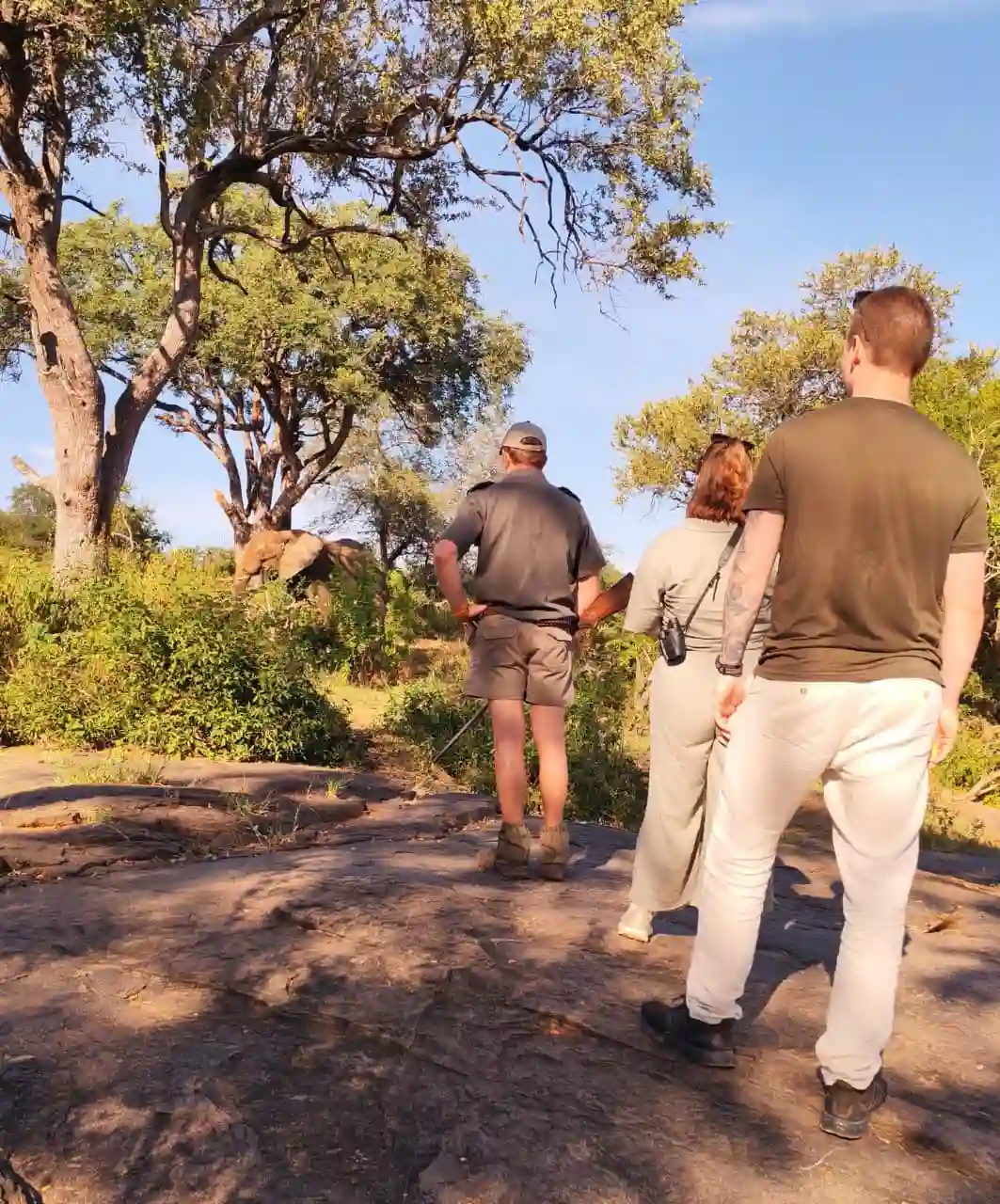
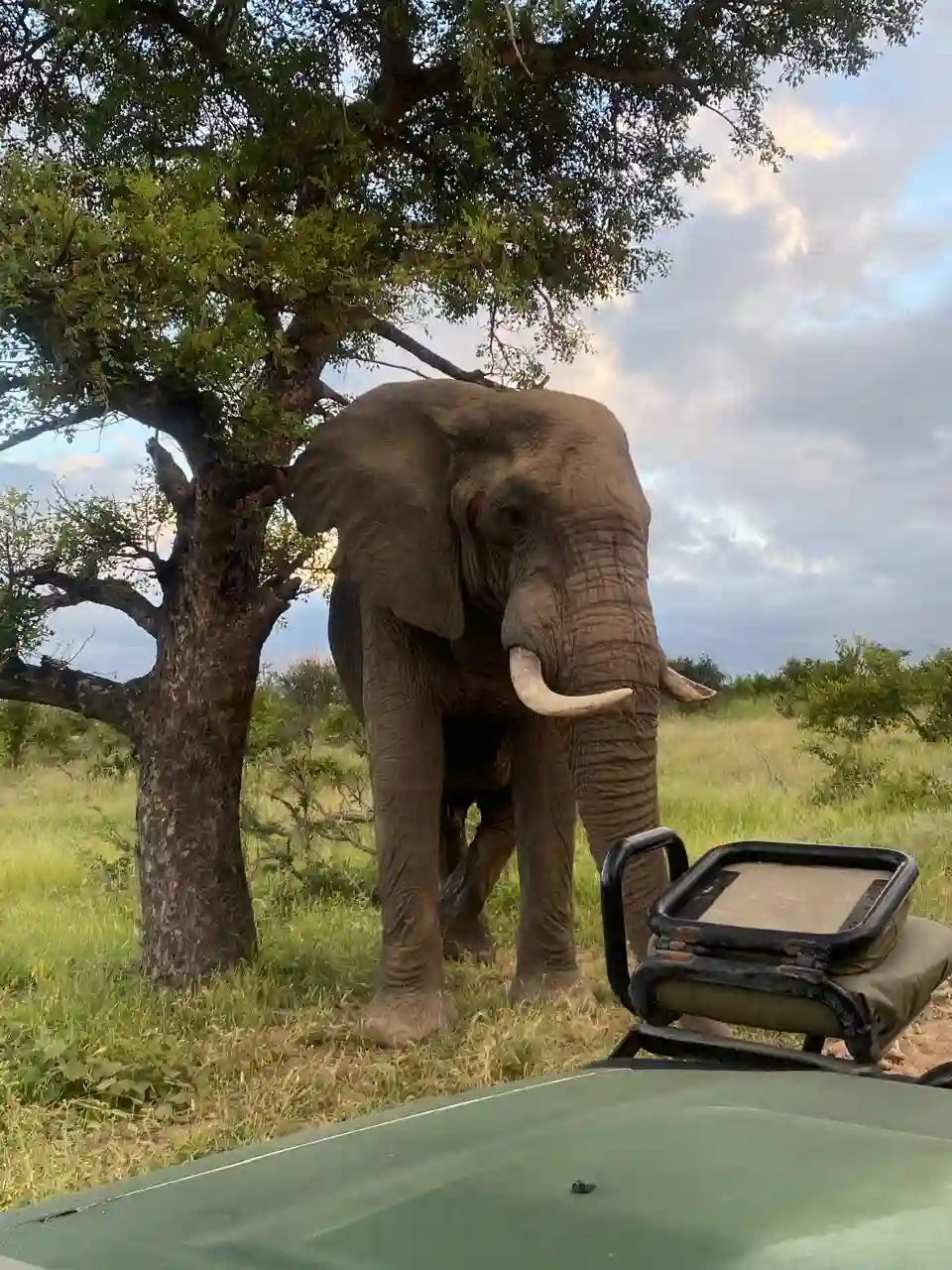
Countries like South Africa, Botswana, Namibia, Zimbabwe, Tanzania, and Kenya are operating normally. National parks are open, lodges and camps are welcoming guests, and local tourism infrastructure is running as usual.
There are no travel advisories against visiting Southern or East African countries related to the Middle East conflict. The region’s safety profile hasn’t changed.
How to get to Africa without transiting the Middle East
If you were planning to connect through Dubai, Doha, or Abu Dhabi, those routes are currently unreliable. But there are strong alternatives that don’t go anywhere near the affected region.
Direct flights from major European hubs — including London, Amsterdam, Frankfurt, Paris, and Zurich — connect to Johannesburg, Cape Town, Nairobi, Kilimanjaro, Windhoek, and Victoria Falls. These routes fly south over Africa and aren’t affected by Middle Eastern airspace closures.
Addis Ababa remains a major connecting hub for travellers coming from Asia, Australia, and other regions. Ethiopian Airlines, Africa’s largest carrier, operates from a hub that is well outside the conflict zone and continues to run its full network.
Our team stays across the latest routing options and can advise on the best way to reach your destination when you enquire. Flight schedules are shifting regularly at the moment, so we’d rather give you current, accurate advice than publish something that’s out of date by next week.
What Detour Africa is doing for travellers right now
We know that uncertainty makes it harder to commit to a trip. That’s why we’ve introduced flexible booking terms on all new bookings:
Low deposit to secure your spot. For most tours, a deposit of as little as 10% secures your booking when made more than 30 days before departure. Deposit amounts may vary depending on the tour and its inclusions, but we’ll confirm the exact amount when you enquire.
Free date changes. If you need to move your trip to different dates, we’ll work with you to find an alternative that suits — no change fees. Availability applies, and T&Cs vary by itinerary, but our goal is to make this as easy as possible for you.
A team that’s actually been there. We test our routes personally. We know these destinations, we know the suppliers, and we know what’s happening on the ground. If something changes, you’ll hear from us — not the other way around.
We’d rather you travel with confidence than travel with anxiety. And if now isn’t the right time for you, that’s fine too. We’re here when you’re ready.
Low Deposit
As little as 10% to secure your booking
Free Date Changes
Move your trip to new dates
Expert Routing Advice
We'll help you find the best way to get there
Is now actually a good time to travel to Africa?
Here’s something worth considering: because some travellers are postponing plans, the destinations themselves are quieter than usual. For those who do travel, that can mean a better experience — fewer vehicles at sightings, more availability at popular lodges, and in some cases, better value.
March through May is also an excellent time for Southern Africa. The summer rains are easing, the bush is green, and it’s the start of shoulder season before peak winter safari months. East Africa’s wildebeest calving season in the Serengeti runs through March, and the Great Migration continues year-round.
What’s actually happening at our destinations right now:
- The Okavango Delta is filling up after the summer rains — water levels are rising and game is concentrating along the channels
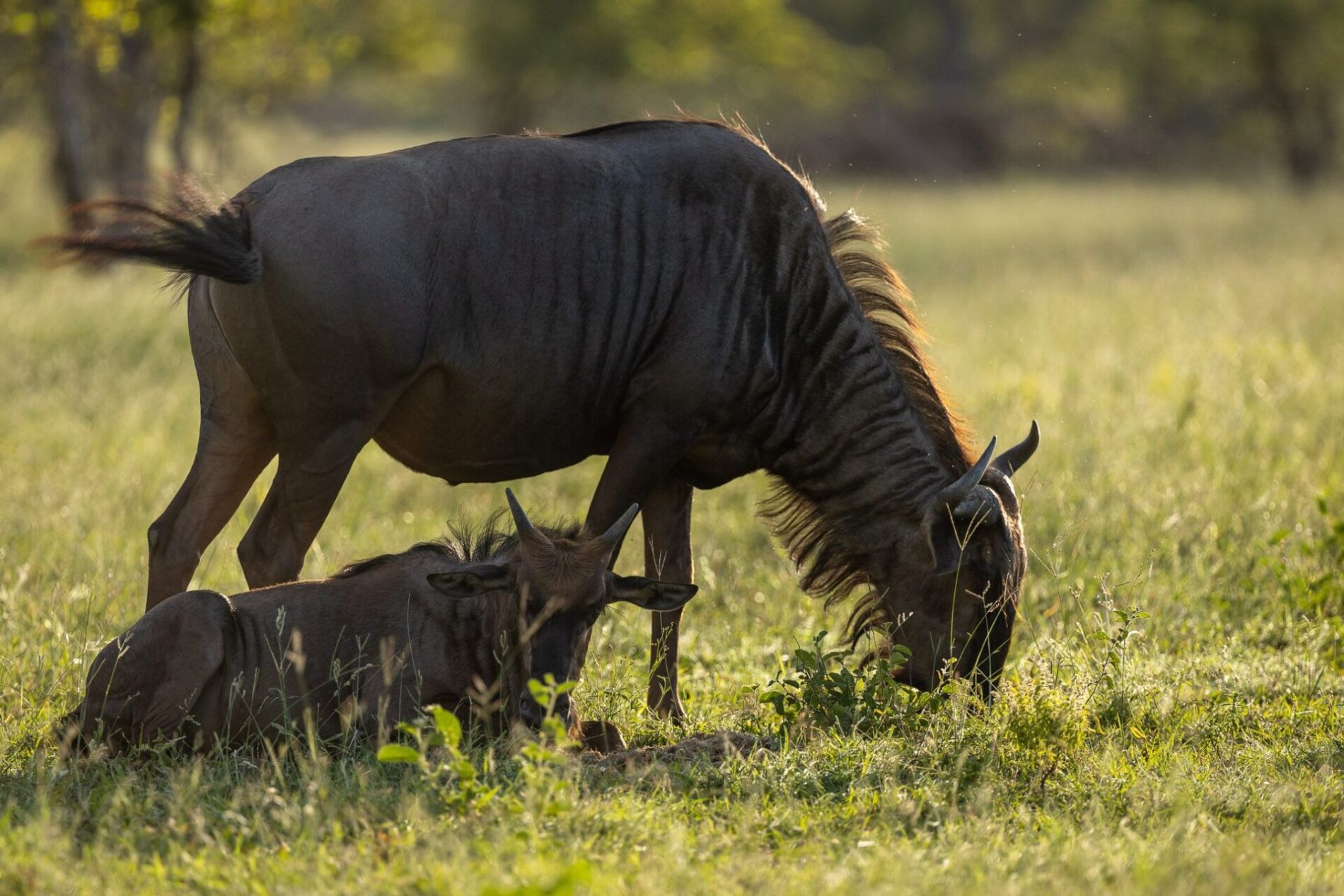
- Wildebeest calving season in the Serengeti has drawn huge predator activity — lion and cheetah sightings are at a seasonal peak
- The bush across Kruger and Hwange is thick and green, with healthy herds and newborn animals everywhere
- Namibia’s cooler months are approaching — ideal conditions for Etosha and Sossusvlei without the summer heat
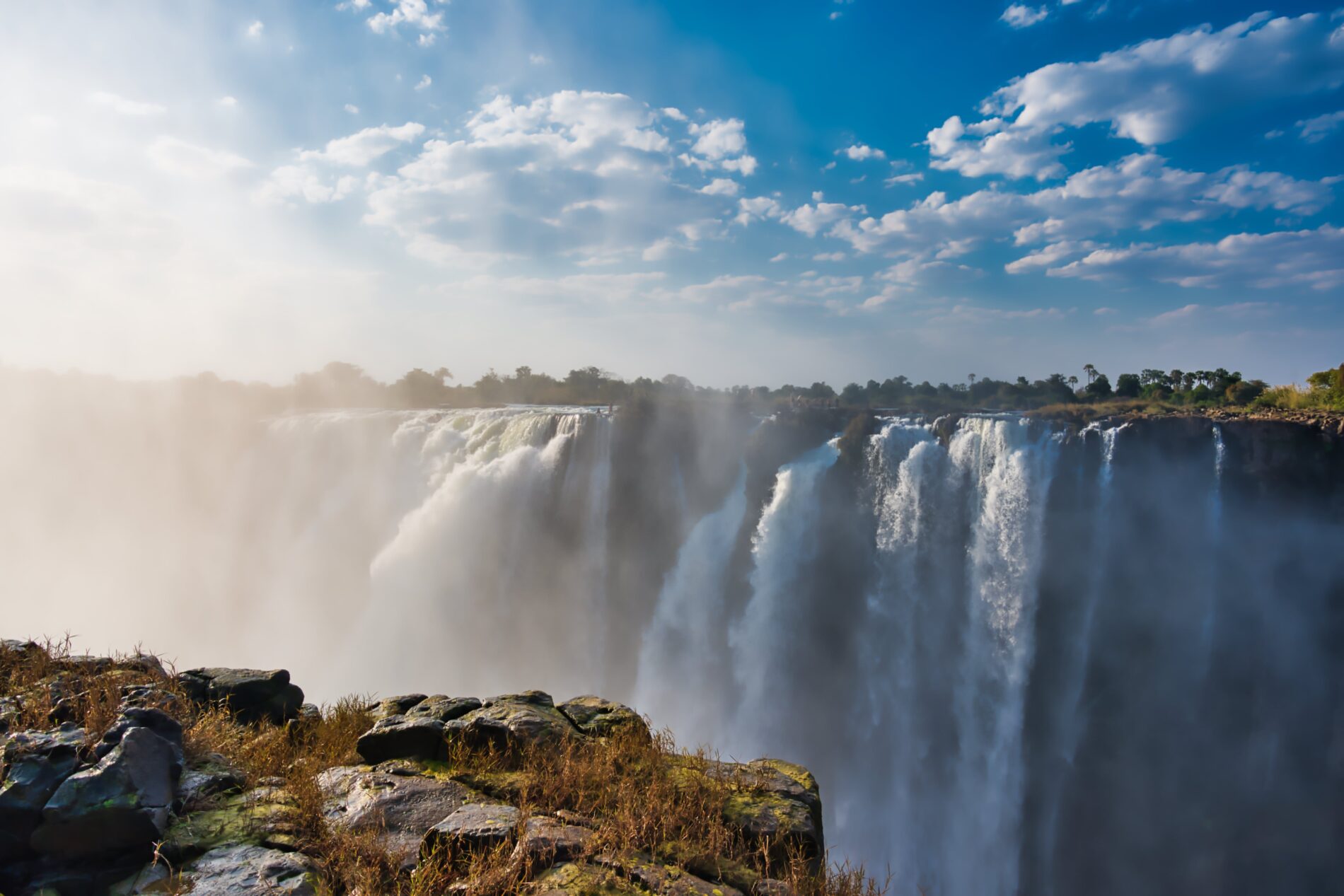
- Victoria Falls is running at full force after the wet season — one of the most impressive times to visit
Frequently Asked Questions
Is it safe to travel to Southern and East Africa right now?
Yes. Countries like South Africa, Botswana, Namibia, Zimbabwe, Tanzania, and Kenya are completely unaffected by the Middle East conflict. The region is thousands of kilometres from the conflict zone, national parks are open, and tourism is operating normally. There are no related travel advisories for these destinations.
Can I still fly to Africa with flights being cancelled in the Middle East?
Yes. While flights via Dubai, Doha, and other Gulf hubs have been disrupted, direct flights from European cities — London, Amsterdam, Frankfurt, Paris, Zurich — connect to major African airports without transiting the Middle East. Connections via Addis Ababa (Ethiopian Airlines) are also unaffected. Our team can advise on the best current routing when you enquire.
Do I need to fly through the Middle East to reach Southern or East Africa?
No. There are multiple routing options that avoid the Middle East entirely. Most European airlines fly south over the African continent, well away from any affected airspace. We can help you find the right option based on where you’re flying from.
What if I need to change my travel dates?
We offer free date changes on all new bookings. If your plans need to shift, we’ll work with you to find alternative dates at no extra cost. Availability applies and T&Cs may vary by itinerary, but our goal is to make this as easy as possible.
How much deposit do I need to pay?
For most tours, a deposit of as little as 10% secures your booking when made more than 30 days before departure.
Deposit amounts may vary depending on the tour and its inclusions, but we’ll confirm the exact amount when you enquire. The idea is simple — commit with confidence now, and finalise the details closer to your travel date.
Will my trip cost more because of higher fuel prices?
Tour costs on the ground in Southern and East Africa haven’t been affected. Airfares may fluctuate depending on the airline and route, but by booking early and being flexible with routing, you can manage this. Our team can help you find the most cost-effective way to get there.
What if the situation gets worse — will I lose my money?
Our flexible booking terms are designed to protect you. With a low deposit and free date changes, you have room to adjust your plans if needed. If something changes significantly, we’ll be in touch with options — we don’t leave our travellers in the dark.
Got questions? Just ask.
If you’re unsure about anything; flights, safety, timing, what to expect – our team is here to help.
This post was last updated on 23 March 2026. We’ll continue to update it as the situation develops.