Why Visit Serengeti National Park?
The Serengeti has it all. From the Great Migration and one of the highest leopard densities in Africa to 14,763 square kilometres of grassland where you can drive for an hour without passing another vehicle.
The migration lives here most of the year. The herds spend the majority of their annual circuit inside the Serengeti, which means the Mara River crossings everyone talks about are a few weeks of a story that runs all year.
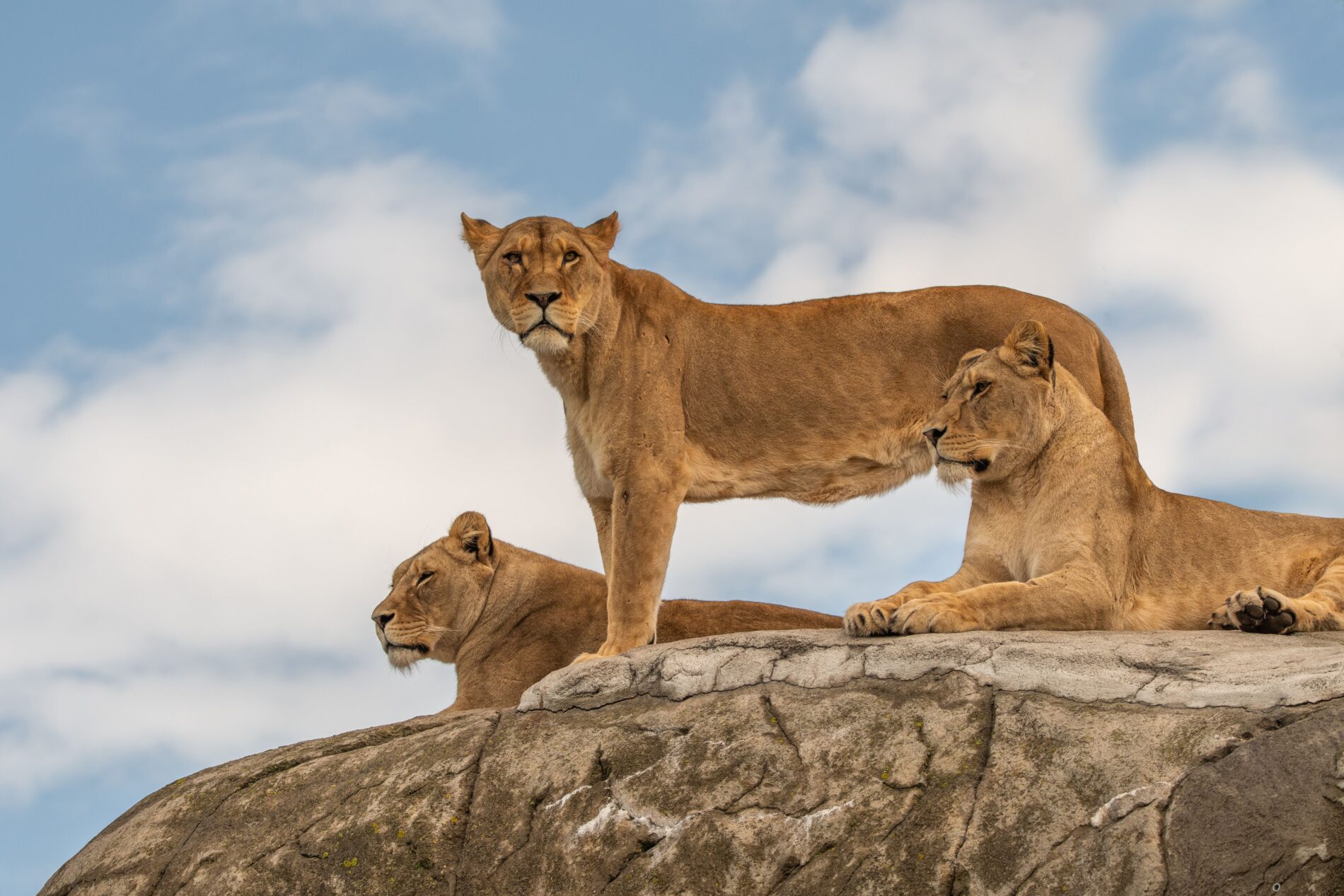
Predators in serious numbers. UNESCO estimates around 1,000 leopard in the park, alongside one of Africa’s strongest lion populations and cheetah hunting out on the open plains.
It pairs beautifully. Ngorongoro Crater sits on the road in from Arusha and Zanzibar is an hour’s flight away, which makes the Tanzania circuit one of the best-designed safari routes anywhere in Africa.
Something to see every month. Calving in February on the southern plains, the Grumeti River in June, the Mara River from July onwards. There’s no dead season in the Serengeti, only different ones.
10 Day Serengeti, Ngorongoro & Zanzibar Lodge Tour
15 Day Ultimate Kenya & Serengeti Adventure Tour
Plan Your Serengeti National Park Trip
Tell us what you're after. We'll do the rest.
10 Day Serengeti, Ngorongoro & Zanzibar Overland Tour
13 Day Kenya & Tanzania Adventure Tour
Best Time to Visit Serengeti National Park
The Serengeti is worth visiting in any month of the year, and what changes is not whether you’ll see wildlife but where in the park you need to be, which is the single most common thing to get wrong on a Tanzania itinerary.
- JAN
- FEB
- MAR
- APR
- MAY
- JUN
- JUL
- AUG
- SEP
- OCT
- NOV
- DEC
Low Season
Apr - May & Nov - Dec
April and May bring the long rains and the quietest months of the year, with some camps closing entirely, and while the bush is thick and some tracks become difficult, the resident wildlife is all still there and you’ll have it largely to yourself at the most affordable rates of the year.
November and December bring the short rains along with the herds moving back south from Loliondo towards the southern plains, which makes this an underrated window offering green landscapes, moderate prices and the migration in transit.
Shoulder Season
Jan - Mar
January to March is our quiet favourite and the season most travellers don’t know about. The herds move down onto the southern short-grass plains around Ndutu, and in February, usually within a two to three week window, something like half a million calves are born.
The predator activity that follows is extraordinary, with lion, cheetah and hyena concentrating on the plains and hunting behaviour on display that’s far harder to find at any other time of year. The landscape is green, the light is beautiful and there are considerably fewer vehicles than in the northern crossing months.
If you want to see the migration without the crowds, this is when to come, though you’ll want to base yourself in the south rather than the north.
Peak Season
Jun - Oct
June to October brings the classic safari conditions, with vegetation thinning, water sources shrinking and animals concentrating, which makes game viewing at its most reliable right across the park.
These months also put the migration in the north. The herds mass at the Grumeti River around June before pushing north through July and August towards the Mara River, where crossings typically run from July into October, so if the crossings are your priority you’ll want to base yourself in the northern Serengeti and use the Kogatende airstrip.
Days are warm, nights are cold and mosquitoes are at their lowest, which along with the crossings makes this the busiest season of the year, with lodges booking out months ahead and park fees at their peak rate.
Serengeti National Park Travel FAQs
Where is the Serengeti?
The Serengeti is in northern Tanzania, in East Africa. The park stretches from the Ngorongoro Conservation Area in the southeast up to the Kenyan border in the north, where the same ecosystem continues as the Masai Mara.
The nearest major town is Arusha, around 325 kilometres away and roughly eight hours by road, with Kilimanjaro International Airport the usual international gateway.
How big is the Serengeti, and what does the name mean?
Serengeti National Park covers 14,763 square kilometres, about 1,476,300 hectares, which makes it roughly the size of Northern Ireland or a little smaller than Connecticut.
The name comes from the Maasai word siringet, usually translated as “endless plains” or “the place where the land runs on forever”.
It isn’t a desert, despite how often that comes up. The Serengeti is grassland, savannah and riverine woodland, with enough rainfall to support one of the largest concentrations of grazing animals on earth.
When is the best time to visit the Serengeti?
It depends what you want to see, since all three seasons have something going for them.
June to October gives you dry season conditions, the best all-round game viewing and the migration in the north, with Mara River crossings typically from July. January to March puts the herds on the southern plains with calving in February, delivering outstanding predator action, fewer vehicles and green landscapes. April to May and November to December is green season, the cheapest and quietest window, with thicker bush and some camps closed in April and May.
There’s no month with no wildlife in the Serengeti. There are only months where you need to be in a different part of the park, and that’s the part that matters.
Where is the Great Migration each month?
Broadly, and with the caveat that the herds follow rainfall rather than a calendar:
- January to March — southern short-grass plains and Ndutu, on the Ngorongoro boundary, with calving in February
- April — moving north through Moru Kopjes and Seronera
- May to June — the Western Corridor, massing at the Grumeti River
- July to August — pushing north, first Mara River crossings
- September to October — northern Serengeti and the Masai Mara, peak crossing period
- November to December — heading back south via Loliondo and Lobo
There is no guaranteed schedule, but what we can do is put you in the right region for your dates and give you the best odds.
How many days do I need in the Serengeti?
Three nights in the park is the practical minimum, within a Tanzania trip of at least five or six days once you account for Ngorongoro and the drive.
Our 4 Day Tanzania Wildlife Safari is the compact version and works when time is tight, six days is where the trip stops feeling rushed, and ten to twelve days lets you add Zanzibar, which is what most of our clients end up doing.
Can I combine the Serengeti with Zanzibar?
Yes, and it’s the most popular thing we sell in Tanzania. Zanzibar sits about an hour’s flight from Kilimanjaro and around 1 hour 35 minutes from Arusha, so the switch from safari to beach takes half a day.
Our top 3 recommendations are:
10 Day Serengeti, Ngorongoro and Zanzibar – Private Lodge Tour
12 Day Serengeti and Zanzibar – Group Camping Tour
10 Day Serengeti, Ngorongoro & Zanzibar – Group Lodge Tour
Finishing a safari on the coast works well, since you’re usually tired by day seven and Zanzibar is exactly the right thing at that point.
What animals will I see in the Serengeti?
All of the Big 5 are present, though black rhino are rare, with UNESCO estimating around 200 in the park and sightings uncommon. Lion are abundant, and UNESCO puts leopard numbers at around 1,000, which is one of the highest densities anywhere in Africa.
Beyond that you’ll find cheetah on the plains, along with elephant, buffalo, giraffe, hippo, crocodile, hyena, wild dog in some areas, and the migration species (wildebeest, zebra and Thomson’s gazelle) in enormous numbers, plus over 500 recorded bird species.
On a well-timed four-day safari you can expect lion, elephant, buffalo, giraffe, zebra and hippo with confidence and a good chance of cheetah, while leopard and rhino are the two nobody should guarantee.
Do I need a visa for Tanzania?
Yes, most nationalities will need one. US citizens pay approx. USD 100 for a one-year multiple-entry visa and German citizens pay approx. USD 50, while UK and Australian passport holders should budget around approx. USD 50 for a single-entry tourist visa.
Apply in advance through the official portal at visa.immigration.go.tz and allow at least ten working days. Single-entry visas are also available on arrival at main entry points, though multiple-entry visas are not. Your passport needs six months’ validity and a blank page.
Visa rules and fees change without notice and differ depending on your passport. Please confirm with the official immigration authority for your nationality before booking flights, and ask us if you’re unsure, since we deal with this every day.
Is there a mandatory travel insurance requirement for Tanzania?
For Zanzibar, yes. Since October 2024 all visitors must buy inbound travel insurance from the Zanzibar Insurance Corporation at approx. USD 44 per person, covering stays of up to 92 days, and other international policies aren’t accepted for this requirement, so you can be refused entry without it. It doesn’t replace ordinary travel insurance, so you should carry both.
For mainland Tanzania, a similar scheme was announced in 2025 and then deferred, and as of August 2026 neither the UK nor German foreign ministries list it as in force for the mainland. If your trip includes Zanzibar the requirement applies, and we’ll confirm the position for your dates when you book.
What should I pack for a Serengeti safari?
Neutral colours such as khaki, olive and beige work best, and it’s worth avoiding dark blue and black, which attract tsetse flies, along with bright white.
The Serengeti sits at altitude and mornings are cold, so bring a fleece and a windproof layer even in the dry season, alongside a wide-brimmed hat, high-SPF sunscreen, sunglasses, DEET-based repellent and binoculars.
Bring a proper camera if you have one, with the longest lens you own plus spare batteries and memory, since charging in mobile camps is limited. Pack soft-sided bags if you’re flying between airstrips, because light aircraft have strict weight and shape limits, usually around 15 kg.
Do I need a yellow fever vaccination for Tanzania?
Only if you’re arriving from a country with yellow fever transmission risk, so direct from the UK, US, Australia or Germany no certificate is needed.
A layover of 12 hours or more in a listed country can trigger the requirement, so tell us your routing and we’ll point out anything worth checking.
What Our Travellers Say
No detail is left undone.
Elana Black from Detour Africa designed our vacation and we had an amazing time. We started off in Rwanda and hiked to see mountain gorillas and then we flew to Tanzania for safaris in the Northern and Central Serengeti and Ngorongoro Crater. The lodging, food, and guides were all exceptional. We also did a hot air balloon ride which is a must do if you are in Africa. Elana has booked multiple trips for myself and friends over the years and she is the best.
Excellent super friendly service
I have been using this travel agency for booking all of my Southern Africa overland trips for 10 years now and once again I can only speak very highly about them. The new manager James is - just like his predecessor Rob - super friendly, very professional and proactive to offer you the best. The whole booking and payment process from abroad couldn't be easier and more secure. Thumbs up!
LOVED our tour & Detour Africa
I did a lot of research online to find a company that was affordable and also had good reviews. I was not disappointed! Detour Africa was a great company. Communication was always prompt with the travel agent. We were set up in nice accommodations. The food was so good and the staff at the lodge where we stayed were so friendly... I would definitely recommend Detour Africa for Safari tours.