Why Visit Tanzania?
Whether you’re seeking a safari adventure or a beach getaway, Tanzania offers something for every traveler.
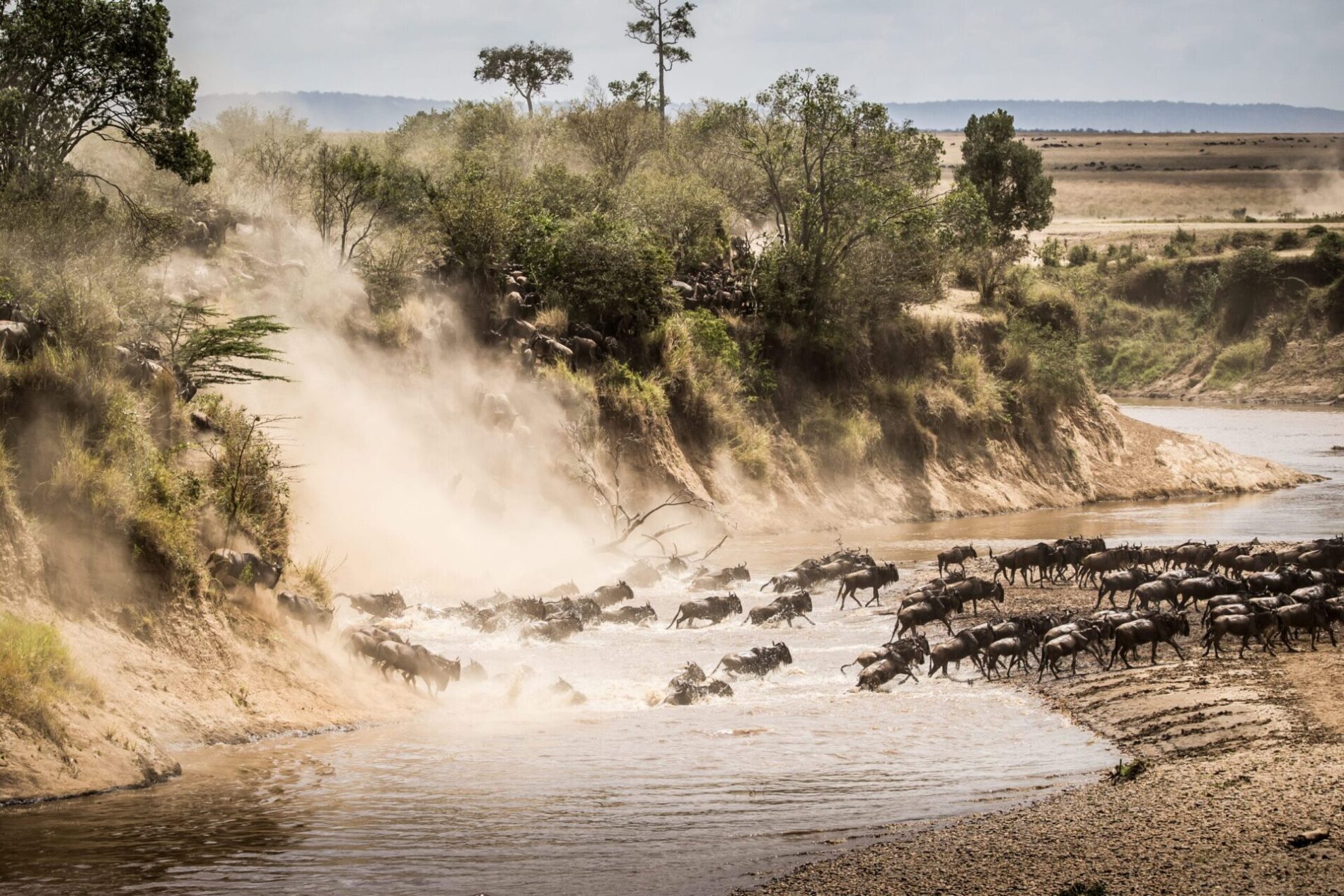
Embark on a journey through the Serengeti, where the rhythms of the Great Migration echo across the savannah.
Venture into the Ngorongoro Crater, a natural wonder teeming with wildlife. Discover the iconic Mount Kilimanjaro, Africa’s tallest peak and explore the turquoise waters of Zanzibar, where white sandy beaches and rich history await.
Popular Tanzania Tours
Explore top-rated small group tours – expert guides and unforgettable wildlife encounters.
13 Day Kenya & Tanzania Adventure Tour
10 Day Serengeti, Ngorongoro & Zanzibar Lodge Tour
10 Day Serengeti, Ngorongoro & Zanzibar Overland Tour
15 Day Ultimate Kenya & Serengeti Adventure Tour
Plan Your Tanzania Trip
Tell us what you're after. We'll do the rest.
16 Day Victoria Falls to Zanzibar Lodge Tour
13 Day Victoria Falls & Malawi Lodge Tour
Best Time to Visit Tanzania
The best time to visit Tanzania for a safari is during the dry season from June to October, when wildlife gathers around water sources and the Great Migration reaches the Serengeti’s western and northern corridors. Skies are clear, malaria risk drops, and game viewing is at its best.
Tanzania’s coast and Zanzibar are warm year-round, with short rains in November and a longer rainy spell from late March to May. Most travellers pair a dry-season safari with a few days on Zanzibar.
- JAN
- FEB
- MAR
- APR
- MAY
- JUN
- JUL
- AUG
- SEP
- OCT
- NOV
- DEC
Low Season
Mar - May & Nov - Dec
Tanzania’s rainy months, split into the long rains (March to May) and the short rains (November to December).
The long rains bring heavier afternoon showers. Scenery is lush, birdlife peaks, and rates drop significantly with far fewer vehicles at sightings. The short rains are brief afternoon showers rather than constant rain. Wildlife viewing stays strong, the bush turns green, and migration herds start moving south.
Shoulder Season
Jan - Feb
A short dry window between the rains and an underrated time for a Tanzania safari. The southern Serengeti and Ndutu region come alive with the calving season, drawing in predators and offering some of the most action-packed game viewing of the year.
Days are warm and clear, great for photography. Zanzibar is hot and sunny — ideal for beach days.
Peak Season
Jun - Oct
Prime time for a Tanzania safari. Dry weather draws wildlife to permanent water in the Serengeti, Tarangire, and Lake Manyara — predator sightings are frequent and game drives consistently rewarding.
Grumeti River crossings happen late June to July in the western Serengeti. Mara River crossings follow from August to October in the north — the most dramatic wildlife moments of the year.
Tanzania Travel FAQs
Do I need a visa to visit Tanzania?
Most travellers need a tourist visa to enter Tanzania, and you can apply online through the official eVisa portal before you travel. The standard single-entry tourist visa costs approx. USD 50 for most nationalities and USD 100 (multiple-entry) for US passport holders. Approval usually takes around 10 working days, so apply at least 3 weeks before departure.
Your passport must be valid for at least six months beyond your travel dates, with at least two blank pages. Visa on arrival is available at major airports, but the eVisa route is faster and more reliable.
Please note: arranging visas is not our specialty, and regulations change regularly. Always check directly with the Tanzanian Embassy or the official eVisa portal for the latest information before you travel.
When is the best time to see the Great Migration in Tanzania?
The Great Migration is in Tanzania year-round — the herds simply move through different parts of the Serengeti depending on the month.
The two highlight moments are the calving season in the southern Serengeti (late January to March) and the Mara River crossings in the northern Serengeti (August to October).
Grumeti River crossings happen in the western corridor from June to July. This makes Tanzania a better year-round migration destination than Kenya, where the herds only pass through the Masai Mara from roughly July to October.
What currency is used in Tanzania?
Tanzania uses the Tanzanian Shilling (TZS). For tourism services — safari packages, park entry fees, lodge bookings, Kilimanjaro climbs, and tips — US Dollars are still widely accepted and often the preferred currency.
Since March 2025, new Foreign Exchange Regulations require everyday cash purchases inside Tanzania (restaurants outside lodges, taxis, local shops, markets) to be paid in Tanzanian Shillings. Exchange a small amount of USD into TZS on arrival for these incidentals.
Bring USD notes issued after 2009 — older or damaged notes are often refused. Credit cards work at most lodges and larger hotels (often with a 3–5% surcharge). ATMs are reliable in Arusha, Dar es Salaam, and Zanzibar but scarce inside the parks.
Currency regulations in Tanzania have changed recently and may continue to evolve. Check with your tour consultant before travel for the latest guidance.
What vaccinations do I need for Tanzania?
A Yellow Fever certificate is required if you’re arriving from (or transiting more than 12 hours through) a country with yellow fever risk — this includes Kenya, Uganda, and most of Central and West Africa. Malaria precautions are recommended for all safari areas and the coast.
Routine vaccinations should be up to date, and some travellers add Hepatitis A and Typhoid. Speak to a travel clinic 6–8 weeks before departure for personalised advice.
How much does a Tanzania safari cost?
A budget group camping safari in Tanzania typically starts from around USD 200–300 per person per day. Mid-range accommodated safaris usually run USD 400–700 per day, and luxury lodge or private mobile camp safaris can climb to USD 1,000+ per day.
Tanzania’s high park fees (Serengeti and Ngorongoro alone add over USD 200 per person per day) make it more expensive than most African safari destinations. Going as a small group helps spread vehicle and guide costs, which is why our group tours often offer the best value.
What should I pack for a Tanzania safari?
Pack light, neutral-coloured clothing (khaki, olive, beige) for game drives — avoid bright colours and pure white. Mornings and evenings on safari can be cold, especially in the Ngorongoro Highlands, so include a fleece or warm layer.
Essentials: wide-brim hat, high-SPF sunscreen, sunglasses, insect repellent with DEET, binoculars, a good camera with zoom lens, refillable water bottle, and slip-on shoes. Most domestic flights have a 15kg soft-bag limit, so a duffel bag works better than a hard suitcase.
Is Tanzania safe for tourists?
Tanzania is one of the safer countries in East Africa for tourism, with a stable political environment and a well-established safari industry. Standard precautions apply: avoid walking alone at night in cities, keep valuables out of sight, and use registered taxis or transfers arranged through your tour operator.
Safari camps and lodges have professional staff and security, and your guide handles all logistics on the ground. Zanzibar is generally relaxed but dress modestly in Stone Town and local villages out of respect for the predominantly Muslim culture.
Can I combine a Tanzania safari with Zanzibar?
Yes — combining a Serengeti safari with Zanzibar beach is one of the most popular Tanzania itineraries, and the logistics are simple. Short domestic flights connect Arusha (the safari hub) and the Serengeti directly to Zanzibar, usually in under two hours.
A typical 10–14 day trip includes 6–8 days on safari (Tarangire, Ngorongoro Crater, Serengeti) followed by 4–6 days on Zanzibar. We can also extend with Mafia Island or Pemba for travellers wanting a quieter beach option.
Is Tanzania good for a family safari?
Tanzania works well for families, especially with children aged 7 and up. The northern circuit (Lake Manyara, Tarangire, Ngorongoro Crater) offers shorter game drives and varied scenery that keeps younger kids engaged. Many lodges welcome children and offer family rooms or interconnecting suites.
We recommend slightly slower itineraries with private vehicles where possible — it gives families flexibility on game drive times and breaks. Combining safari with a few days on Zanzibar makes for a well-rounded family trip.
How long does it take to climb Kilimanjaro?
Most Kilimanjaro climbs take 5 to 9 days, depending on the route. The 7-day Machame and 8-day Lemosho routes are the most popular, with summit success rates of around 85–90% thanks to better acclimatisation.
Shorter 5-day Marangu climbs have noticeably lower success rates because the body has less time to adjust to altitude. The best months to climb are January to early March and June to October — both dry windows with clearer summit views.
Can I combine Tanzania and Kenya in one trip?
Absolutely. Combining Tanzania and Kenya gives you the full East Africa safari experience — the Masai Mara and Serengeti are part of the same ecosystem, and the migration moves between them depending on the month.
Most combined itineraries run 10–15 days and include Amboseli or the Masai Mara on the Kenya side, then cross into Tanzania via the Namanga border or fly into Kilimanjaro for Tarangire, Ngorongoro, and the Serengeti. We design these as one seamless trip rather than two separate bookings.
What is Tanzania's plastic bag ban?
Tanzania has banned single-use plastic bags since June 2019. Do not pack plastic shopping bags in your luggage — they can be confiscated on arrival. Ziploc-style bags for toiletries are allowed but should be declared if asked.
What Our Travellers Say
Excellent super friendly service
I have been using this travel agency for booking all of my Southern Africa overland trips for 10 years now and once again I can only speak very highly about them. The new manager James is - just like his predecessor Rob - super friendly, very professional and proactive to offer you the best. The whole booking and payment process from abroad couldn't be easier and more secure. Thumbs up!
LOVED our tour & Detour Africa
I did a lot of research online to find a company that was affordable and also had good reviews. I was not disappointed! Detour Africa was a great company. Communication was always prompt with the travel agent. We were set up in nice accommodations. The food was so good and the staff at the lodge where we stayed were so friendly... I would definitely recommend Detour Africa for Safari tours.
Perfect trip to Africa
If anyone planning for a perfect trip to Africa, you can’t go pass DETOUR AFRICA! We had the pleasure of working with James on crafting the perfect itinerary based on what we would like to see and do. Throughout the entire process, James has consistently been so professional, patient, understanding and most of all, his genuine approach to helping his customers. Do yourself a favour and consider Detour Africa, no matter what your budget is!