Kruger National Park is famous because it is one of the best places in the world to see wildlife. Every day, the park’s scientists and managers work hard to keep it this way. They don’t just protect the animals; they actively manage the entire ecosystem to make sure it stays healthy and balanced.
At Detour Africa, we believe the more you know about what is happening behind the scenes, the more amazing your safari will be. Let’s look at the smart strategies that make your incredible animal sightings possible.
Counting the Animals from Above
Imagine trying to count every animal in an area the size of a small country! That’s what Kruger managers do every few years.
- Why They Count: They need to know exactly how many elephants, buffalo, and rhinos there are. This count helps them see if a population is growing too fast or shrinking too quickly.
- How They Do It: They use special helicopters and small airplanes. People on board fly slowly over the land and count the animals they see in specific sections. This data is used to make big decisions about where to put water or how to manage vegetation.
Knowing the number of animals helps the park keep nature balanced. For example, if there are too many large grazers in one area, they might damage the trees and plants that other animals need.
Want to see the biggest herds? Our Kruger National Park Tours & Safaris use experienced local guides who track the latest findings to take you to the best viewing areas.
Letting Nature Do the Work
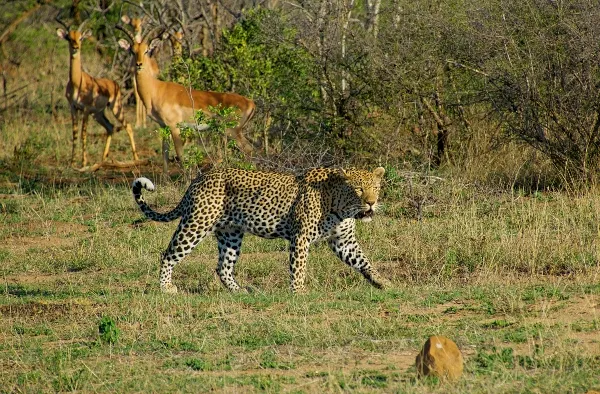
Years ago, park managers tried to control everything, like making lots of man-made waterholes. But they learned that nature often manages itself best.
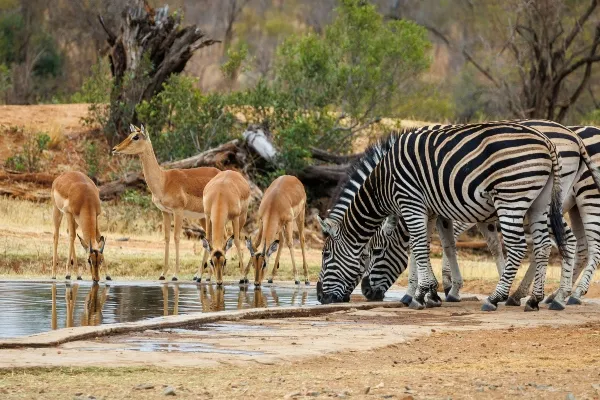
Water Management: The park is now focusing on restoring the natural flow of water. This means closing some artificial waterholes, especially in the south. Why? Because it encourages animals to move more naturally, spreading them out across the park and reducing damage near permanent water sources. This makes your safari exciting because the animals are constantly on the move!
Fire as a Tool: Fire is a natural part of the savanna. Instead of letting wildfires get out of control, managers now use planned, small fires, called patch burning. These fires clear old, dry grass, allowing new, green grass to grow. This is great for grazers like zebra and buffalo, and it helps prevent huge, destructive fires later in the year.
This approach of “minimum interference” allows the wild heart of Kruger to beat on its own.
The Great Limpopo Park Connection
Kruger is huge, but it’s now part of an even bigger idea: the Great Limpopo Transfrontier Park. This is not just one park; it’s an area that links Kruger with national parks in Mozambique and Zimbabwe.
Freedom to Roam: By connecting these areas, animals can follow ancient migration routes that were blocked by fences for decades. This gives them more space, which is especially important for elephants. More space means less competition for food, making the herds healthier.
Future of Conservation: This huge, connected area makes conservation stronger because it means the animals’ territory is much larger and safer.
Ready to experience the vastness of this ecosystem? Our 3 Day Glamping Kruger Safari Package places you in the heart of the bushveld, where you can see the results of this management first-hand.
The Fight Against the Invaders
The park must also fight smaller, silent threats that come from outside—things that are not supposed to be there.
Alien Plants: Plants that are not native to Africa can grow too quickly and push out the natural grasses and trees that the local animals need to survive. Park workers constantly monitor and remove these alien species to protect the local plants and the entire food chain.
Animal Health: Veterinarians and scientists also watch for diseases, like tuberculosis in buffalo. This active monitoring helps keep the entire wildlife population strong and healthy, which is great news for your viewing experience.
Every action—from counting buffalo from a helicopter to pulling out an alien plant—is a careful choice made by scientists to ensure the survival and balance of Kruger National Park. Your visit directly supports these strategies.
Ready to explore the science and majesty of this world-class park?
Experience the Magic of Kruger with Detour Africa
Planning a Kruger National Park safari can feel overwhelming with so many options to choose from. Whether you want a self-drive adventure, a guided luxury tour, or a glamping experience deep in the wilderness, your challenge is to find the perfect balance between excitement, comfort, and connection with wildlife. The article highlights key concepts like the Big Five encounters, expert-led safaris, and seasonal planning that are essential to crafting an unforgettable journey.
At Detour Africa, we understand your desire for a seamless, enriching African safari that delivers both thrill and safety. Our expertly curated South Africa safari collections provide options for every traveller, from budget-conscious explorers to those seeking exclusive luxury escapes. Don’t let planning stress hold you back from witnessing Africa’s spectacular wildlife firsthand. Discover detailed itineraries, authentic travel experiences, and personalised support with us.
Ready to turn your Kruger safari dreams into reality? Explore South Africa for inspiring safari packages and insider tips.
Frequently Asked Questions
What types of safari experiences are available at Kruger National Park?
Kruger National Park offers various safari experiences, including self-drive safaris, guided safari tours, walking safaris, night game drives, and multi-day wilderness trails to suit different preferences and budgets.
When is the best time to visit Kruger National Park for wildlife viewing?
The optimal safari season runs from May to September, offering ideal conditions for wildlife viewing with minimal vegetation and concentrated animal activity around water sources.
What is the Big Five, and can I expect to see them in Kruger?
The Big Five refers to lions, leopards, rhinoceros, elephants, and Cape buffalo. Kruger National Park is renowned for its diverse wildlife, and visitors often have the opportunity to see these iconic species during their safari.
How should I plan my safari itinerary in Kruger National Park?
Planning your safari involves selecting the duration of your visit, choosing the type of accommodation that fits your budget, and ensuring you have a balance of activities for wildlife viewing. Multi-day safaris are recommended for a more comprehensive exploration.
Recommended