How Responsible Travel Protects Southern Africa’s Wonders
On This Page
- The Living Classroom: Wildlife Under Pressure
- Cultural Deep Dive: The First Conservationists
- Adventure with a Conscience: Eco-Tourism as Conservation Funding
- Get Involved: Hands-On Conservation on Your Tour
- Find Your Focus: Choosing a Tour for Your Conservation Interests
- The True Reward of Sustainable Travel
- Recommended
- Recommended Tours in southern Africa
If your passion goes beyond sight-seeing and into the world of conservation, history, and sustainability, Southern Africa is waiting for you. This region is a remarkable tapestry of human history and ecological brilliance – it’s a living laboratory of how nature and ancient cultures thrive together.
As travelers, we have the power to protect these wonders. Here’s a look at the incredible ecosystems and the vital cultural lessons that make this destination a true trip of a lifetime.
The Living Classroom: Wildlife Under Pressure
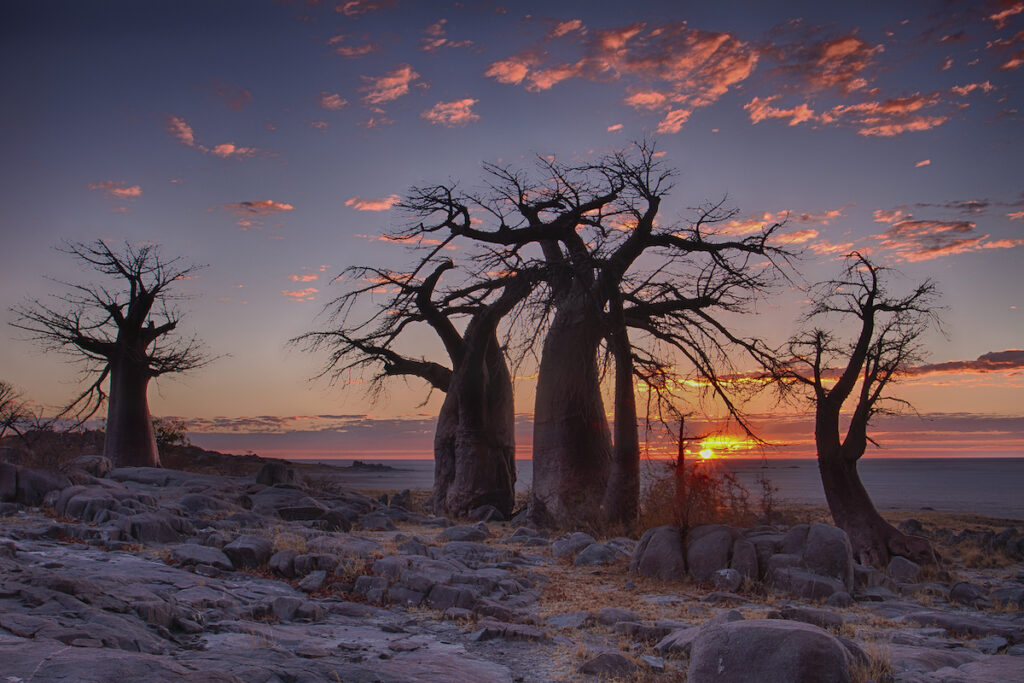
Southern Africa is a biological superstar – a globally critical biodiversity hotspot. This region hosts some of the most complex ecosystems on the planet, but it’s not a pristine museum; it is a vital, fragile battleground for survival. To travel here is to understand the brilliant web of life that makes our world tick, and the challenges it currently faces.
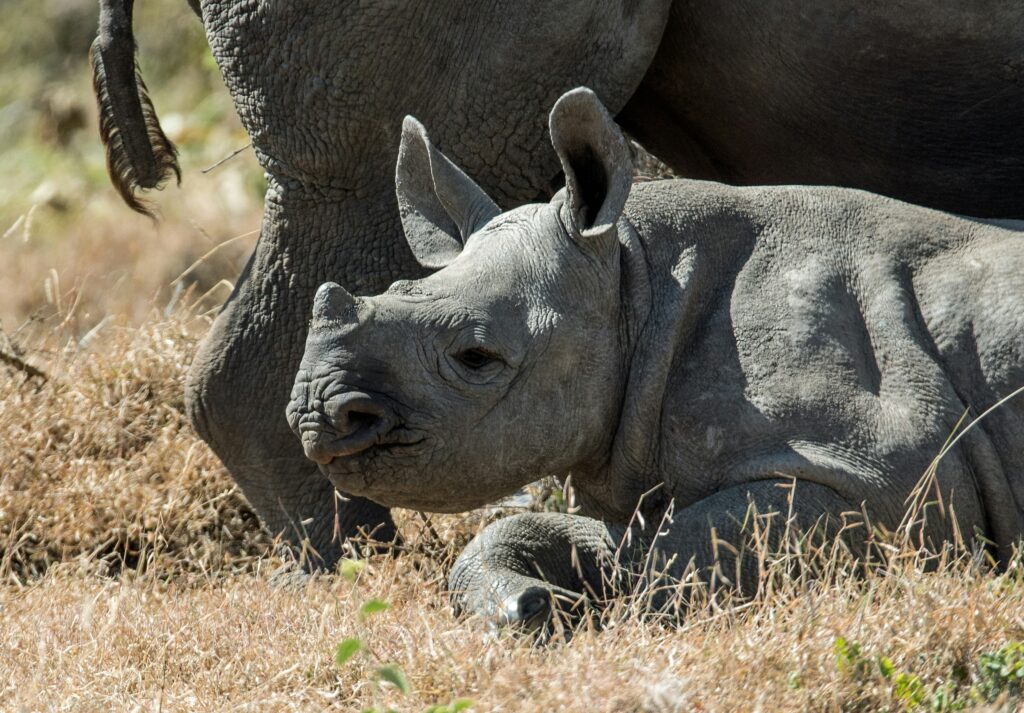
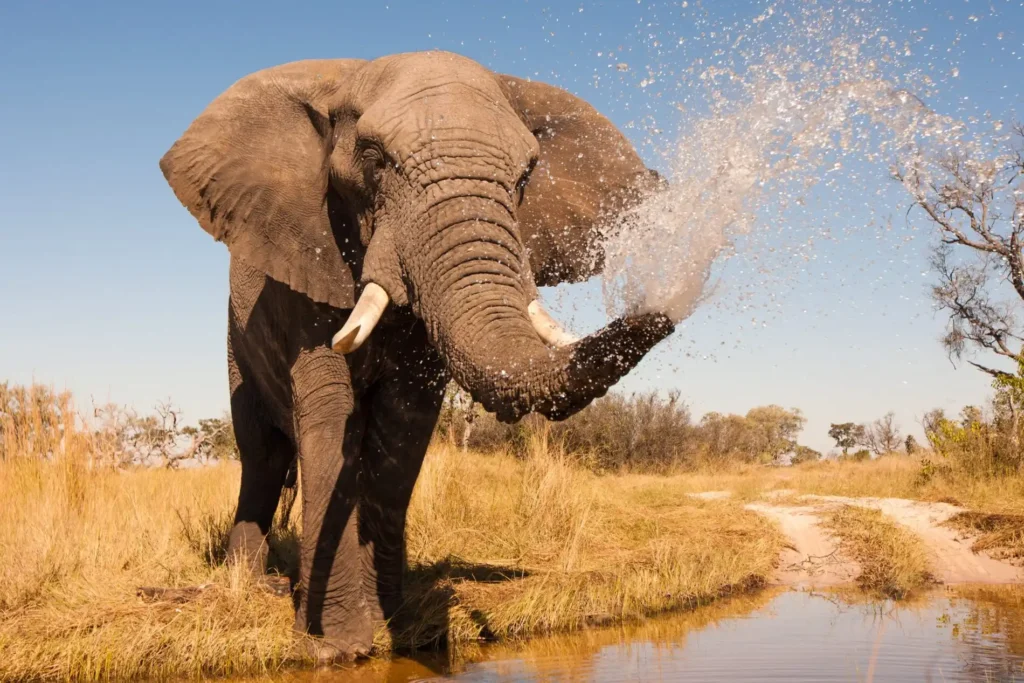
The wildlife here is resilient, but under immense pressure. We have the privilege of witnessing the final chapters of species like the Black Rhino and the African Elephant, whose populations are constantly threatened by poaching. Every creature, from a tiny insect to the massive Cape buffalo, plays a vital role in this delicate, age-old balance, and responsible tourism is one of its strongest shields.
Cultural Deep Dive: The First Conservationists
The human history of Southern Africa is as deep and complex as its environment. The region is a dynamic intersection where ancient traditions meet modern life, with indigenous communities acting as the original guardians of the land.
- The San People: Known globally for their incredible rock art, their deep hunter-gatherer knowledge is essential to modern conservation. They possess tracking skills and a profound understanding of plant life that scientists are only now beginning to incorporate into anti-poaching and sustainability efforts.
- The Zulu Nation: Renowned for their complex social structures and history, the Zulu’s traditional practices around agriculture and sustainable resource management offer crucial insights into human harmony with the environment.
Learning about this history isn’t a side-trip; it’s a necessary education. This cultural richness is a living history book, and by engaging respectfully, you help ensure these stories and the knowledge they carry survive for generations to come.
Adventure with a Conscience: Eco-Tourism as Conservation Funding
Real travel means respecting the place you visit. This is where eco-tourism becomes more than just a buzzword—it is a critical economic engine for preservation. In Southern Africa, the best travel companies aren’t just selling a trip; they are directly funding the frontline defence of wildlife.
- Low Environmental Impact: By staying in small, responsible lodges and traveling with certified guides, your carbon footprint is minimized. This ensures habitats remain undisturbed, allowing wildlife to thrive without tourist pressure.
- Community Empowerment: Your payment ensures local populations benefit directly from tourism, providing strong economic incentives to protect a rhino rather than poach it.
- Cultural Respect: Choosing tours that support indigenous-led initiatives helps protect ancestral knowledge and traditions. It transforms local populations from observers into partners in the tourism experience.
By choosing tours that follow these principles, you create a symbiotic relationship: your ticket helps fund anti-poaching units, wildlife rescue centers, and habitat restoration, directly transforming you into a financial ally in Southern Africa’s conservation story.


Get Involved: Hands-On Conservation on Your Tour
The deepest form of adventure is participation. Many tours in Southern Africa are structured to allow travelers to move from passive viewing to active assistance. This is the difference between simply seeing wildlife and contributing to its survival.
- Wildlife Tracking and Monitoring: Join expert rangers on foot to learn traditional tracking techniques. The data you help collect on animal movements and behaviour is reported directly to anti-poaching and research teams.
- Citizen Science: Participate in specific projects like bird counting, identifying individual rhinos by their ear notches, or assisting marine biologists in collecting data on coastal species.
- Community Projects: Help local initiatives focused on sustainable infrastructure, such as reforestation projects or assisting with educational programs in villages adjacent to national parks.
Find Your Focus: Choosing a Tour for Your Conservation Interests
Southern Africa offers specific avenues for travelers with distinct passions. You don’t have to simply take a general safari; you can tailor your journey to support the exact conservation effort you care about most:
- For the Wildlife Advocate: Look for tours partnered directly with dedicated wildlife rehabilitation centers or those that focus on areas with high populations of endangered species, such as rhino or pangolin.
- For the Ocean Enthusiast: Choose specialized marine tours along the South African coast that involve research vessel experiences or dedicated coastal clean-up initiatives.
- For the Community Builder: Seek out community-owned lodges where 100% of the profits are reinvested into local infrastructure, health, and education programs, making the community your direct beneficiary.
The True Reward of Sustainable Travel
Why commit to the extra planning and slightly higher cost often associated with sustainable travel? Because the reward goes far beyond a guilt-free conscience. Sustainable travel is inherently more immersive and authentic.
- Deeper Immersion: You gain access to areas and experiences closed off to mass tourism, often traveling with smaller groups and spending more quality time in the wilderness.
- Authentic Connection: By meeting and learning from local rangers, trackers, and community leaders, you receive profound, unfiltered stories that a typical tourist never hears.
- A Lasting Legacy: Unlike a standard vacation, your sustainable journey leaves a tangible, positive footprint—a contribution to a thriving ecosystem and empowered local people.
Recommended
- 22 Day Cape To Vic Falls Adventure | African Safaris | Detour Africa
- Cape Town to Johannesburg via Victoria Falls Safari | Detour Africa
- Southern Africa Adventure Overland Tour | Detour Africa
- 20 Day Victoria Falls to Cape Town Camping Tour | Detour Africa
- Packing Light for Women: Your Ultimate Travel Guide – Be Juliet
- Essential Checklist for Extended RV Trips: Travel Smart | Horseshoe Ridge RV
Recommended Tours in southern Africa
Ready to Plan Your African Adventure?
Our travel experts are here to help you shape the perfect trip.
Get in Touch